


The 2026 floods in Assam have once again highlighted the state’s annual struggle with one of India’s most devastating natural disasters. Triggered by relentless monsoon rains and the overflowing Brahmaputra and its tributaries, the floods have submerged villages, displaced thousands of families, damaged infrastructure, and severely affected agriculture. While the situation has started to improve in some districts as floodwaters recede, the humanitarian crisis remains significant, with relief and rehabilitation efforts continuing across the state.

Why Does Assam Flood Every Year?
Assam’s geographical location makes it highly vulnerable to flooding. The mighty Brahmaputra River, along with numerous tributaries, carries enormous volumes of water during the monsoon season. Heavy rainfall in Assam as well as upstream regions in Arunachal Pradesh, Meghalaya, Bhutan, and Tibet causes rivers to overflow. Riverbank erosion, deforestation, silt deposition, and climate change have further intensified the frequency and severity of floods over the years.

The 2026 Flood Situation
The floods in July 2026 affected several districts across Assam, with Sivasagar, Charaideo, Golaghat, Dibrugarh, Jorhat, Dhemaji, and surrounding areas among the worst hit. Many villages were completely submerged, forcing residents to leave their homes and seek shelter in relief camps.
At the peak of the disaster, more than 700,000 people were affected across multiple districts. As of late July, the situation has shown signs of improvement, but over five lakh people are still impacted. The death toll has risen to around 68, while thousands remain displaced.
Impact on People and Infrastructure
The floods have disrupted almost every aspect of daily life:
- Thousands of homes have been damaged or washed away.
- Large areas of farmland remain underwater, threatening the livelihood of farmers.
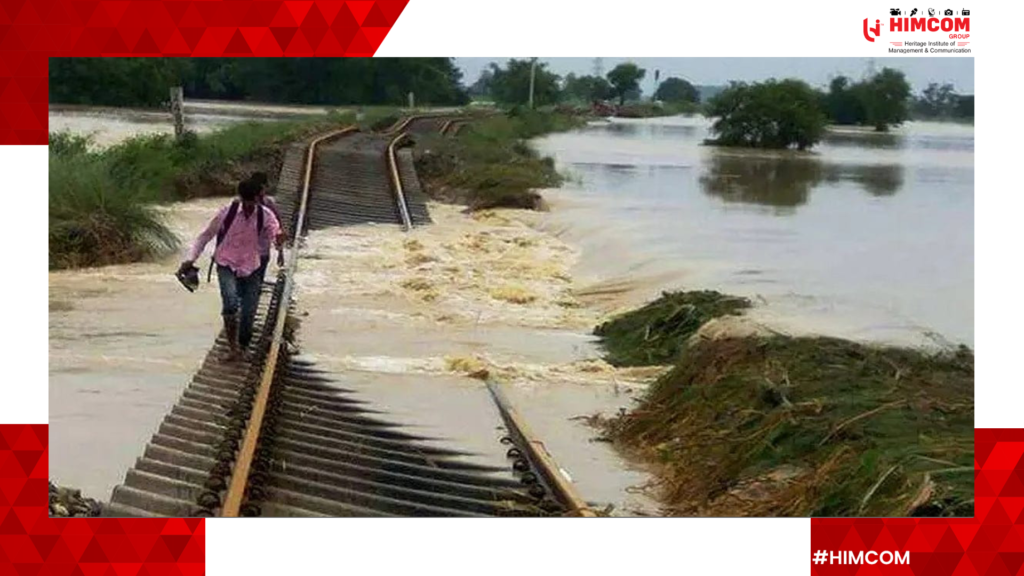
- Roads, bridges, and railway tracks suffered significant damage, disrupting transportation.
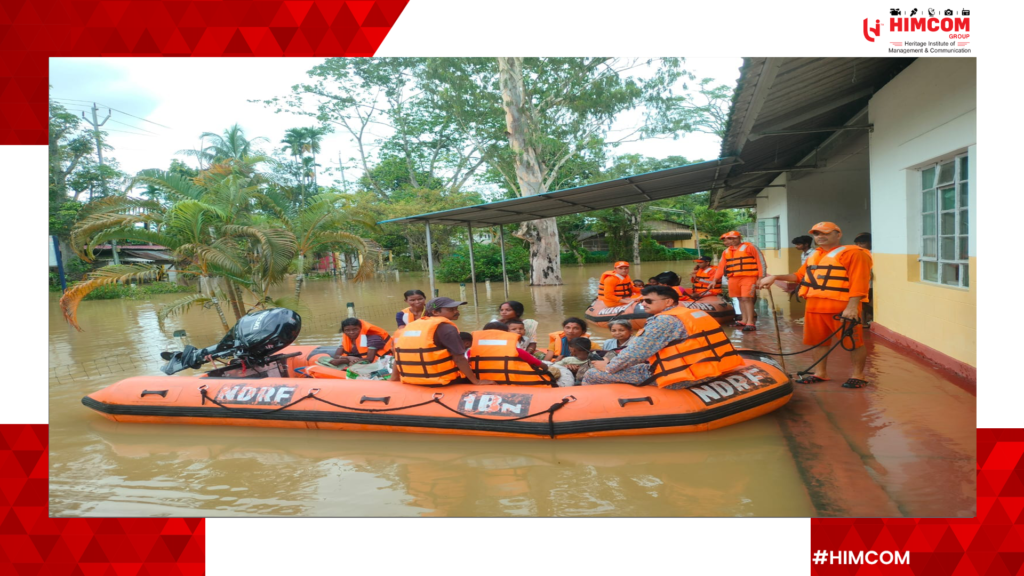
- Schools and public buildings have been converted into temporary relief shelters.
- Electricity and communication networks were affected in several districts, although connectivity has now been largely restored in Upper Assam.
The floods have also affected livestock, drinking water supplies, and healthcare services, increasing the risk of water-borne diseases.
Wildlife Under Threat
Assam’s famous wildlife reserves, including Kaziranga National Park, have experienced flooding, forcing animals to move to higher ground. Wildlife authorities have taken special measures to rescue stranded animals and monitor their movement to reduce casualties.

Government Relief and Rescue Efforts
The Assam Government, in coordination with the Central Government and various disaster management agencies, has launched extensive rescue and relief operations.
Key measures include:
- Establishment of numerous relief camps and relief distribution centres across affected districts.
- Deployment of boats, SDRF, NDRF, Army, and local administration teams for rescue operations.
- Distribution of food packets, drinking water, medicines, tarpaulin sheets, baby food, and other essential supplies.
- Medical teams conducting health camps to prevent outbreaks of diseases.
- Financial assistance of ₹4 lakh as ex-gratia compensation to the families of those who lost their lives in the floods.
- Continuous monitoring by the Assam State Disaster Management Authority (ASDMA) and district administrations.
- Restoration of roads, bridges, electricity supply, and communication networks as floodwaters recede.
- In inaccessible areas, authorities have also attempted drone-based delivery of relief materials.
Support from the Central Government
Prime Minister Narendra Modi assured Assam of full support from the Central Government. The Union Government has stated that all necessary assistance will be provided for rescue, relief, and rehabilitation activities. Central agencies have been working alongside state authorities to ensure timely delivery of aid and restoration of essential services.
Current Situation
The flood situation has gradually improved, with water levels receding in many districts. Relief camps continue to shelter displaced families, while government agencies focus on rehabilitation, restoring connectivity, repairing damaged infrastructure, and helping people return to their homes safely. However, thousands of families still require assistance, and many areas continue to face challenges due to waterlogging and damaged infrastructure.
The Road Ahead
The Assam floods of 2026 once again demonstrate the urgent need for long-term flood management strategies. Experts continue to emphasize stronger embankments, better river management, improved drainage systems, scientific flood forecasting, afforestation, and climate-resilient infrastructure. Alongside emergency relief, sustainable planning will be essential to reduce the impact of future floods.

Conclusion
The 2026 Assam floods have caused immense human suffering and economic losses, but they have also shown the resilience of the people of Assam and the importance of coordinated disaster response. While rescue operations have saved thousands of lives and relief measures continue, rebuilding homes, livelihoods, and infrastructure will take months. Long-term investment in flood mitigation and environmental conservation remains crucial to ensuring a safer future for Assam.
~by MOHINI TIWARI
PGDMC , 2nd semester


Leave a Reply
You must be logged in to post a comment.