


A Simple Report on How Rising Oil Prices Affect India
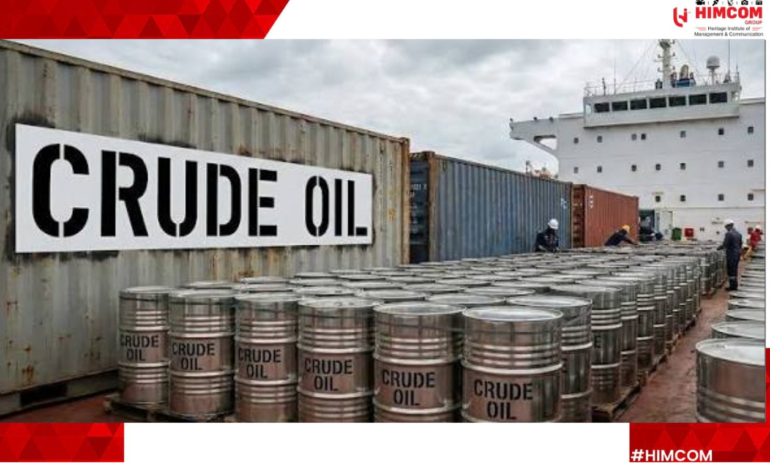
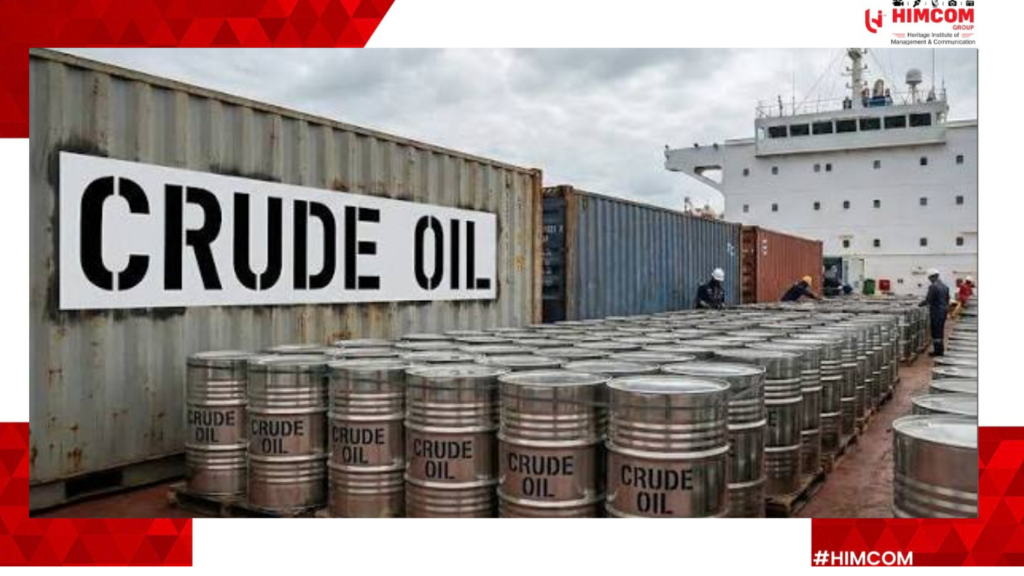
Crude oil is one of the most important sources of energy for the Indian economy.
India imports a large share of the crude oil it uses, so a sudden rise in international oil prices can affect fuel costs, transportation, businesses, inflation, and household budgets.
This report explains these effects in simple language and shows why crude oil price movements matter to the Indian market.

Crude oil is used to make petrol, diesel, aviation fuel, and many other products.
It also supports industries through transport and petrochemical products.
When crude oil prices rise sharply, the cost of bringing goods and people from one place to another can increase.
Because India depends significantly on imported crude oil, changes in global prices can have a direct and indirect effect on the domestic economy.

India needs oil for transport, industry, agriculture, and everyday economic activity.
When the international price of crude rises, the country’s import bill can also rise.
Higher import costs can put pressure on India’s trade balance and on businesses that depend on fuel.
The effect is not limited to petrol and diesel because transportation costs are part of the cost of producing and delivering many goods.
Main Effects on the Indian Market
Higher fuel costs:
A rise in crude oil prices can increase the cost of petroleum products.
Changes in domestic fuel prices depend on several factors, including international prices, taxes, and pricing decisions.
Higher transportation costs:
Trucks, buses, ships and other vehicles use fuel. When fuel becomes more expensive, transporting goods can become costlier.
Inflation pressure:
More expensive transport and production can raise the prices of some goods and services. This can add pressure to overall inflation.
Pressure on businesses:
Companies that spend heavily on fuel and transportation may face higher operating costs. Some businesses may pass part of these costs to customers.
Pressure on the rupee and import bill:
A higher oil bill means India may need more foreign currency to pay for imports.
This can create pressure on the external balance and, depending on broader market conditions, on the value of the rupee.

Impact on Common People and Businesses
For ordinary households, a crude oil price spike can be felt through fuel, transport, and the prices of some goods.
People who travel long distances or depend on private vehicles may face higher expenses.
Farmers and small businesses can also be affected when transportation and input costs rise.
Businesses may respond by reducing fuel use, improving efficiency, changing suppliers, or adjusting prices.
The size of the impact differs from one sector to another.
Transport, aviation, logistics, and other fuel-intensive activities are
generally more exposed to changes in energy costs.

Ways to Reduce the Impact
India can reduce its exposure to oil price shocks by improving energy efficiency, expanding renewable energy,
developing public transport, encouraging electric mobility, maintaining strategic petroleum reserves, and diversifying sources of energy.
These steps can reduce the economy’s dependence on imported fossil fuels over time.
A spike in crude oil prices can affect many parts of the Indian market.
Its effects can appear through fuel prices, transportation costs, inflation, business expenses, and the country’s import bill.
The impact depends on the size and duration of the price increase and on other economic conditions.
In the long term, greater energy efficiency and a wider mix of energy sources can help India become less vulnerable to sudden oil price shocks.
Anshra Shariq
BJMC, 1st Semester




Leave a Reply
You must be logged in to post a comment.