


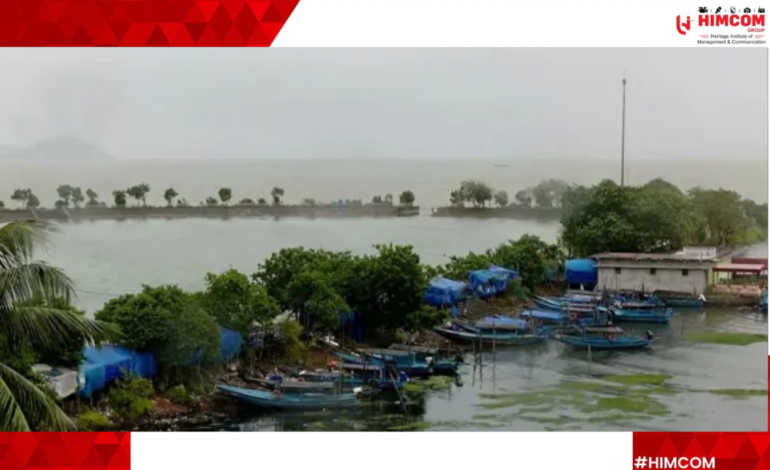

The eastern coastal state of Odisha is experiencing a spell of unsettled weather following the impact of Very Severe Cyclone Arnab. cyclonearnab
Heavy rainfall, thunderstorms, gusty winds, and changing atmospheric conditions have affected several parts of the state,
raising concerns about public safety, transportation, agriculture, and daily life.
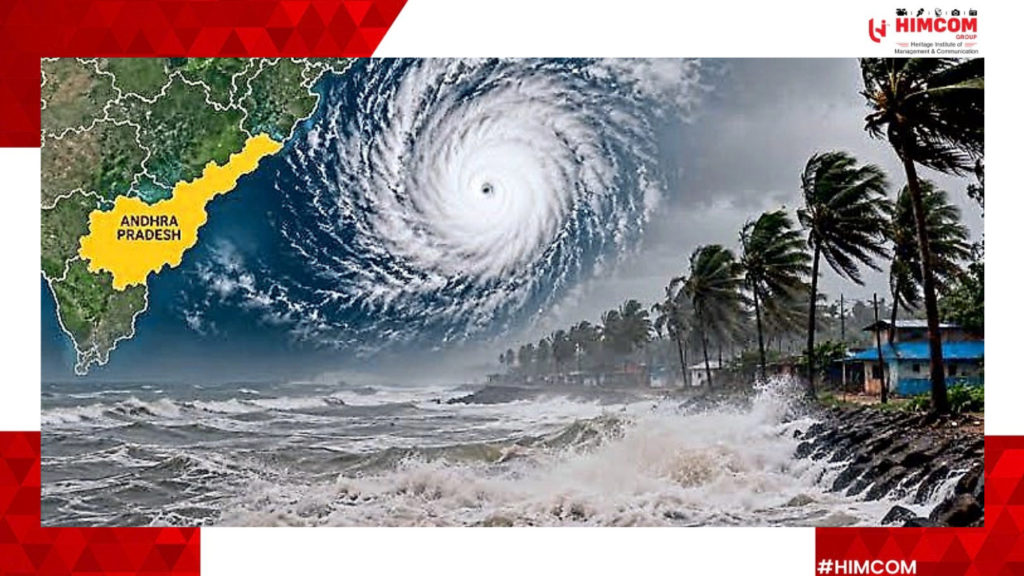
Although Cyclone Arnab has weakened after making landfall along the Andhra Pradesh coast, its remnants continue to influence weather conditions across Odisha and neighbouring regions.
The situation has brought fresh attention to the vulnerability of India’s eastern coastline to cyclonic disturbances, particularly during the post-monsoon season.
Cyclone Arnab: From a Severe Storm to a Weakening Weather System
Cyclone Arnab developed over the Bay of Bengal on October 26, 2026,
and gradually intensified into a very severe cyclonic storm.
As it moved towards the eastern coastline, it raised concerns across Andhra Pradesh and adjoining parts of Odisha.
The cyclone made landfall along the Andhra Pradesh coast on October 28, bringing strong winds and intense rainfall.
Its influence extended beyond the immediate landfall region, affecting several districts of Odisha with widespread precipitation.
According to the India Meteorological Department (IMD), the system subsequently weakened into a depression.
By October 29, the remnants of Cyclone Arnab had moved northwards and
weakened further into a well-marked low-pressure area over central Chhattisgarh and adjoining areas.
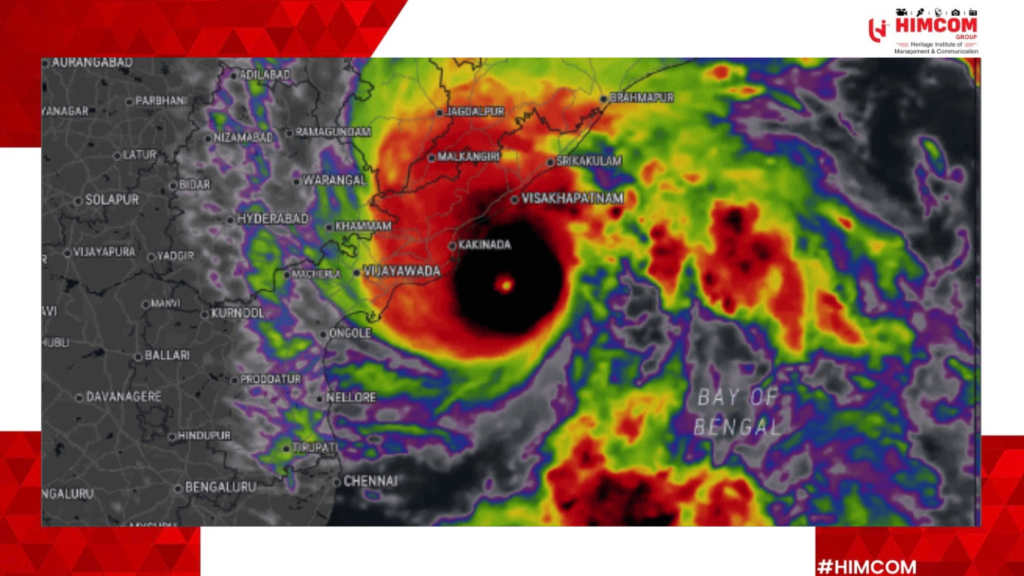
However, the weakening of a cyclone does not immediately bring an end to its impact.
The associated moisture, atmospheric instability, and circulation patterns can continue to produce rainfall and thunderstorms even after the storm loses its intensity.
Current Weather Conditions in Odisha
As of October 30, Odisha continues to experience unsettled weather conditions in several regions.
The IMD’s coastal weather bulletin indicates the possibility of rain and thunderstorms at most places along both the northern and southern Odisha coasts.

North Odisha is likely to experience heavy to very heavy rainfall at isolated locations, while parts of South Odisha may also witness heavy showers.
The weather conditions have created concerns about waterlogging in low-lying areas, disruption of road transportation,
and difficulties for people living in vulnerable regions.
Cloudy skies, intermittent rainfall, and gusty winds have also affected normal outdoor activities.
In some areas, reduced visibility during heavy rainfall could create additional difficulties for motorists and commuters.
The coastal regions remain particularly sensitive because of changing wind conditions and rough sea conditions.
Fishermen and coastal communities have therefore been advised to remain attentive to official weather advisories.
Districts Under Weather Watch
The impact of Cyclone Arnab and its remnants has been felt across different parts of Odisha.
During the cyclone’s weakening phase, several districts experienced significant rainfall activity.
The weather department had issued warnings for parts of western, northern, and southern Odisha.
The latest developments also indicate the possibility of thunderstorms accompanied by lightning and gusty winds in districts such as Sundargarh, Jharsuguda and Sambalpur.
Furthermore, the approaching weather system over the Andaman Sea could bring another spell of rainfall to southern Odisha.
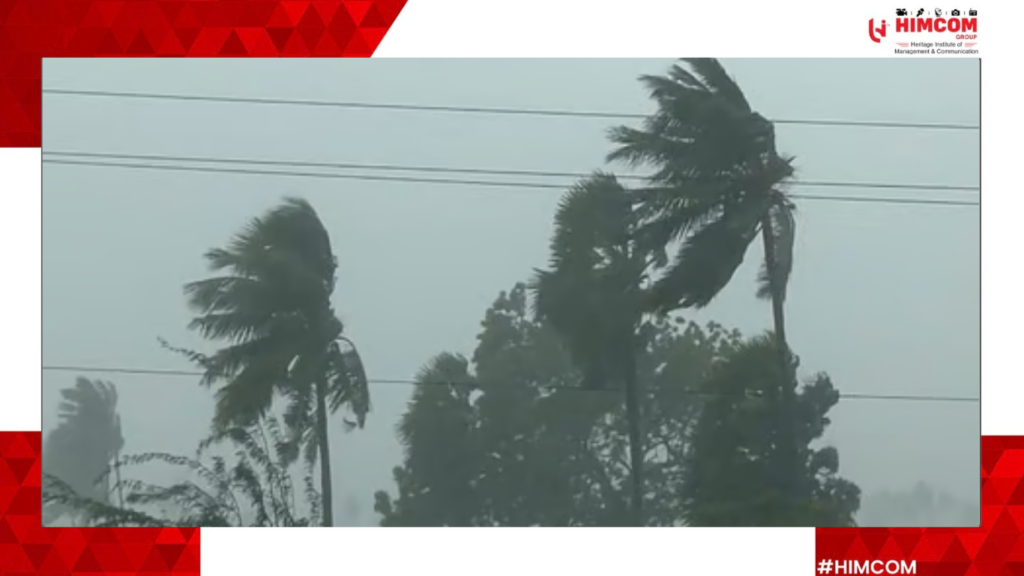
The districts of Rayagada, Koraput, Malkangiri, Gajapati and Ganjam are among the areas that require particular attention because of the forecast rainfall activity in the coming days.
Impact on Daily Life, Agriculture and Transportation
Cyclonic disturbances are not limited to changes in weather;
they also have significant social and economic consequences.
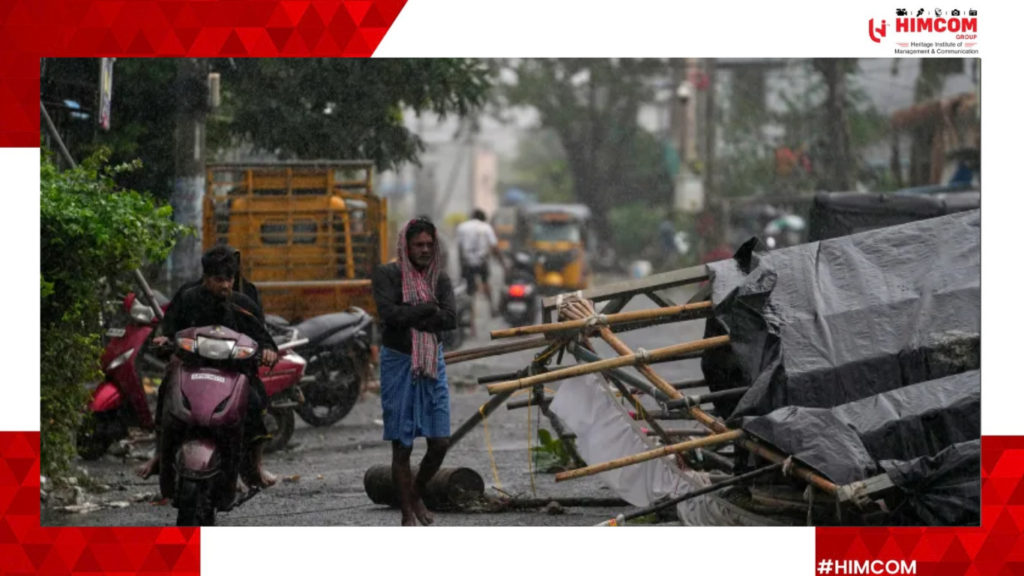
For ordinary residents, continuous rainfall can disrupt daily routines,
affect commuting and create difficulties for people living in low-lying and poorly drained areas.
Agriculture is another sector that remains vulnerable.
Odisha has a large population dependent on farming, and
excessive rainfall during the harvesting period can damage standing crops, affect agricultural operations, and cause financial losses for farmers. https://science.nasa.gov/earth/earth-observatory/arnab-strikes-india/
Strong winds can also damage trees, electricity infrastructure, temporary structures, and horticultural plantations.
Transportation is equally vulnerable during such weather conditions.
Heavy rainfall can reduce visibility, cause waterlogging on roads, and affect the movement of vehicles.
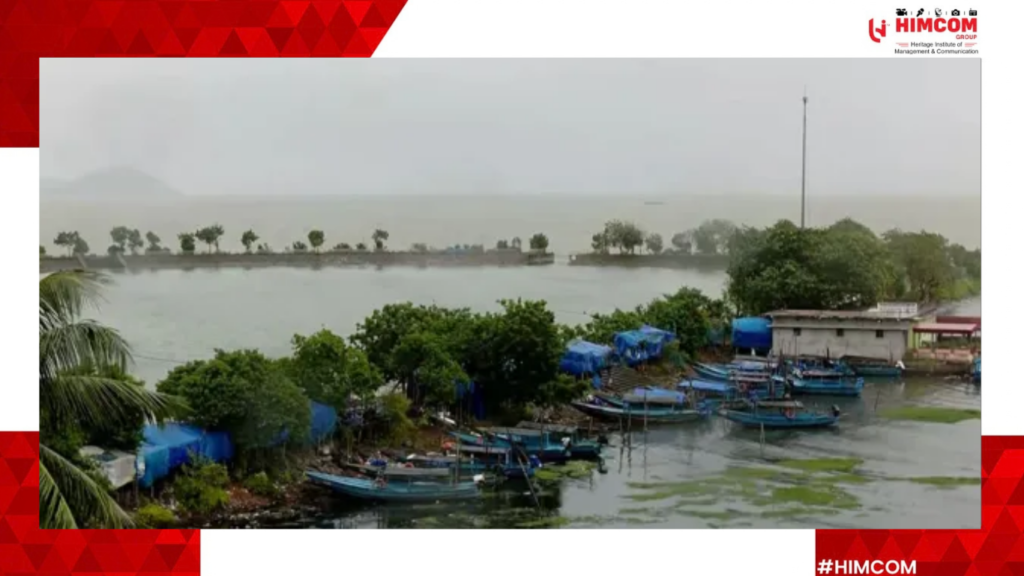
Coastal and fishing communities may also face temporary restrictions on their activities because of rough sea conditions.
The situation highlights the importance of timely weather forecasting, effective communication, and disaster management measures.
A Fresh Weather System Over the Andaman Sea
While the remnants of Cyclone Arnab are gradually weakening, another weather development has attracted the attention of meteorologists.
According to the latest updates, a low-pressure area has formed over the South Andaman Sea and adjoining regions.
The system is expected to move west-northwestwards and may intensify into a depression over the southeast Bay of Bengal around October 31.
This development is significant because it could influence weather conditions along India’s eastern coastline in the coming days.
The IMD has indicated the possibility of heavy rainfall in parts of southern Odisha
Around November 2 and November 3. Malkangiri, in particular, has been placed under an orange warning for isolated heavy to very heavy rainfall for the period ending on November 3.
Other districts, including Rayagada, Koraput, Gajapati and Ganjam, are also expected to remain under weather watch.
However, the actual impact will depend on the system’s development, movement and intensity.
Residents should follow subsequent IMD bulletins rather than rely on early predictions.
Disaster Preparedness and Safety Measures
Odisha has considerable experience dealing with cyclones and extreme weather events.
However, every weather system brings different challenges, making preparedness essential. http://rescueoperations
Residents in vulnerable and low-lying areas should remain alert to official announcements and avoid unnecessary travel during heavy rainfall.

People should stay away from fallen electric wires, damaged trees, and waterlogged roads.
Fishermen should strictly follow marine weather advisories and avoid venturing into rough sea conditions.
Local authorities and disaster management teams also need to maintain preparedness, particularly in areas vulnerable to flooding and landslides.
Accurate information and timely communication can play a crucial role in reducing the damage caused by extreme weather events.
Current situation
The weakening of Cyclone Arnab has brought some relief to Odisha, but the state’s weather situation remains a matter of concern.
The remnants of the cyclone continue to influence rainfall activity,
while a fresh low-pressure system developing over the Andaman Sea presents the possibility of another spell of rain in the coming days.
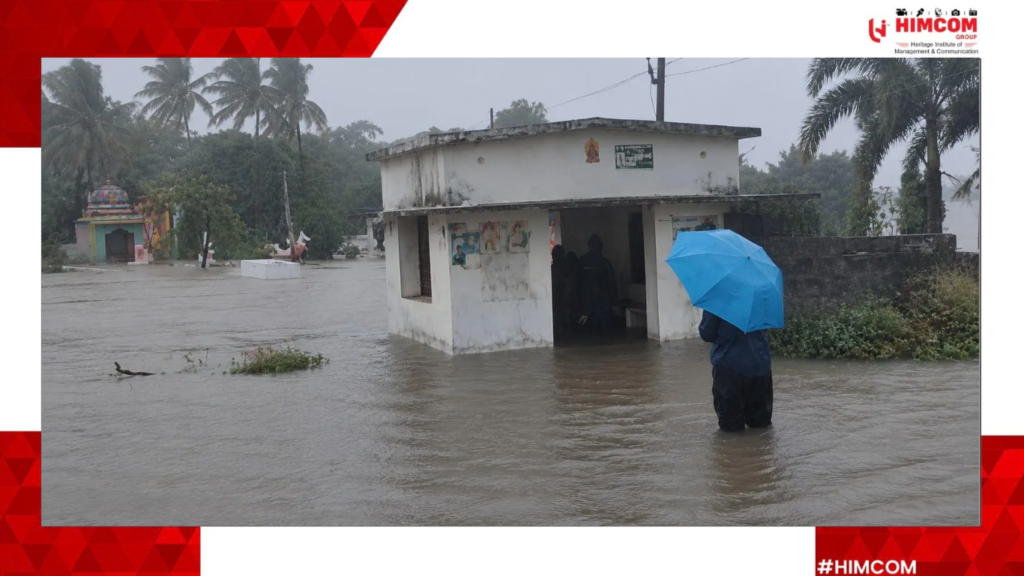
The situation serves as a reminder that the end of a cyclone does not necessarily mean the immediate end of its consequences.
From farmers and fishermen to urban residents and daily commuters, extreme weather conditions can affect every section of society.
For Odisha, the priority now lies in remaining vigilant, strengthening disaster preparedness, and ensuring that accurate weather information reaches every vulnerable community.
As the state moves towards the final days of October and the beginning of November, continued monitoring and public awareness will be essential in dealing with the changing weather conditions.
Mohini Tiwari





Leave a Reply
You must be logged in to post a comment.