

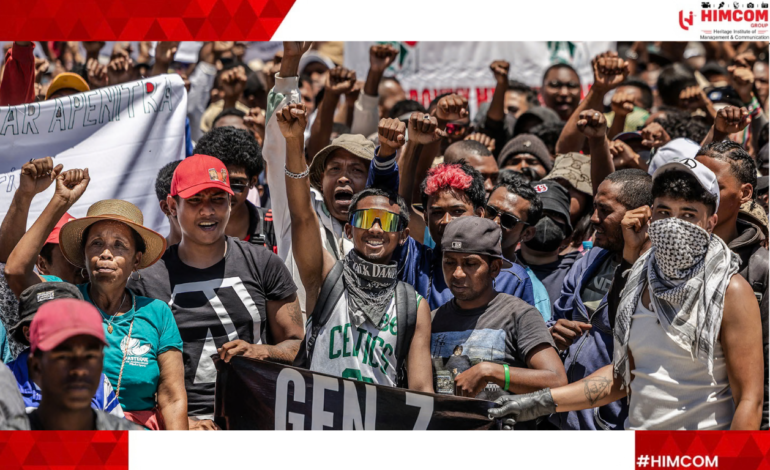

How a new generation is challenging power, demanding justice, and fighting for a better future.
A new wave of youth activism is reshaping political conversations worldwide.
Generation Z—generally defined as people born from 1997 to 2012—has become increasingly visible in demonstrations against corruption, unemployment, inequality, political injustice, and restrictions on freedom of expression.
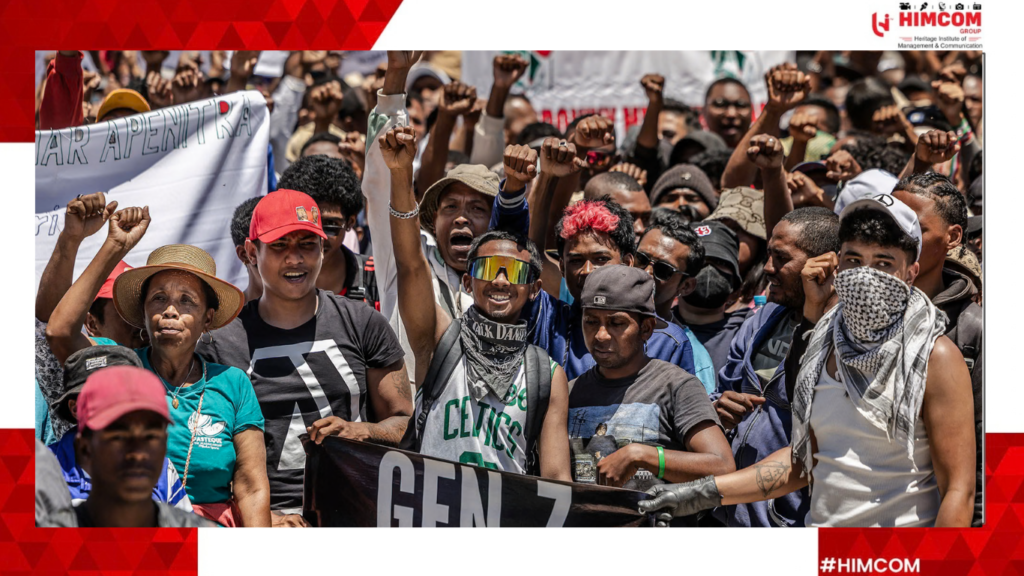
From Asia to Africa and Europe, young people are using public demonstrations and digital platforms to demand accountability and a greater role in decisions that affect their future.
1. What Is Driving Gen Z Protests?
(a) Corruption and accountability: Frustration with political privilege, alleged misuse of public funds, and a lack of transparency.
(b) Unemployment and inequality: Limited job opportunities, rising living costs, and concerns that economic progress is not shared fairly.
(c) Freedom of expression: Opposition to censorship, internet restrictions, and attempts to silence criticism.
(d) Representation: Demand for a meaningful voice in decisions about education, jobs, public services, and the future.
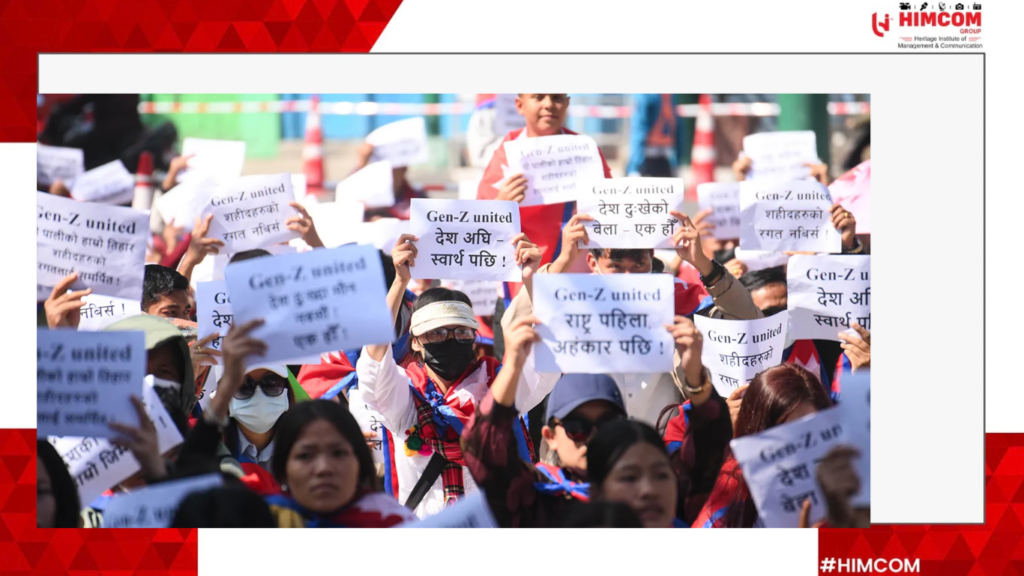
2. A Global Wave of Youth Resistance
Bangladesh (2024): Student demonstrations over public-sector job quotas expanded into a nationwide uprising and contributed to the departure of Prime Minister Sheikh Hasina in August 2024.
Kenya (2024): Gen Z-led protests against proposed tax increases helped force the government to withdraw the Finance Bill 2024.
Nepal (2025): Protests following a social-media ban, amid wider anger over corruption and political privilege, escalated and led to Prime Minister K. P. Sharma Oli’s resignation.
Serbia (2024–25): Student-led demonstrations after the deadly Novi Sad railway-station canopy collapse demanded transparency and accountability.
Madagascar (2025): Demonstrations over water and electricity shortages widened into broader demands for political change
From Digital Mobilisation to Lasting Change
Gen Z movements are changing not only who protests, but also how movements communicate and organise.
3. Social Media: The Power Behind the Movement
Platforms such as Instagram, TikTok, YouTube and X help young people share information, organise demonstrations, document events and connect local campaigns with international audiences.
Digital tools can:
• Spread information quickly
• Coordinate peaceful gatherings
• Draw attention to alleged abuses
• Connect activists across borders
But misinformation, manipulated content, and unverified claims can also distort events.
4. India’s Gen Z: The Next Voice of Change
India has one of the world’s largest youth populations. Employment, examination integrity, education costs, women’s safety, and corruption are among the issues that shape public debate and youth activism. The key question is how growing awareness can translate into constructive participation in democratic institutions and policymaking.
5. What Lies Ahead?
Protests can bring attention to ignored problems, but lasting progress requires more than a change of leadership. It depends on peaceful participation, clear goals, and stronger public institutions.
Key priorities include:
• Transparent governance and effective action against corruption
• Fair access to quality jobs, education, and economic opportunity
• Protection of peaceful dissent and freedom of expression
• Meaningful youth representation in public decision-making
• Accountable institutions and respect for the rule of law
A Generation That Refuses to Stay Silent
The rise of Gen Z protests is more than a political trend.
It reflects a generation demanding a voice in its future.
From Bangladesh and Kenya to Nepal and Serbia, young people have shown that collective action can challenge established systems.
Yet the real measure of success is not only whether leaders change, but whether institutions become fairer, more transparent, and more responsive to the public.
“Gen Z is not simply waiting for the future. It is demanding the right to shape it.”
Amrita Rai
PGDMC, 1st Semester




Leave a Reply
You must be logged in to post a comment.