

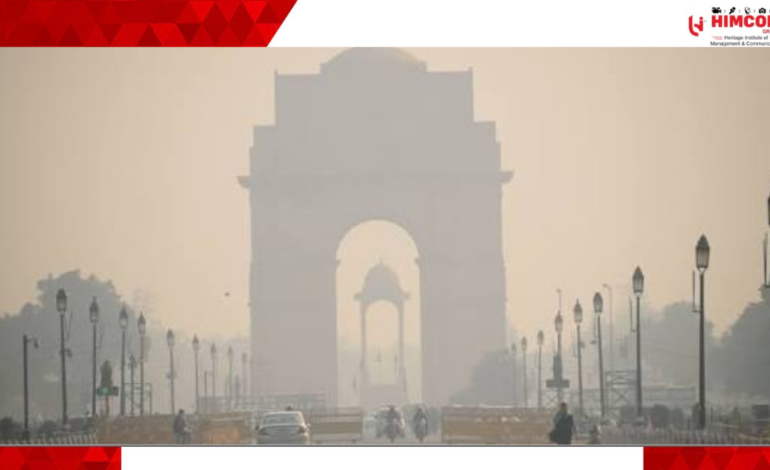

The winter season has arrived, but for the people of Delhi, it has brought more than just chilly mornings, foggy roads, pleasant evenings, and increasing Delhi’s Air Quality Index.
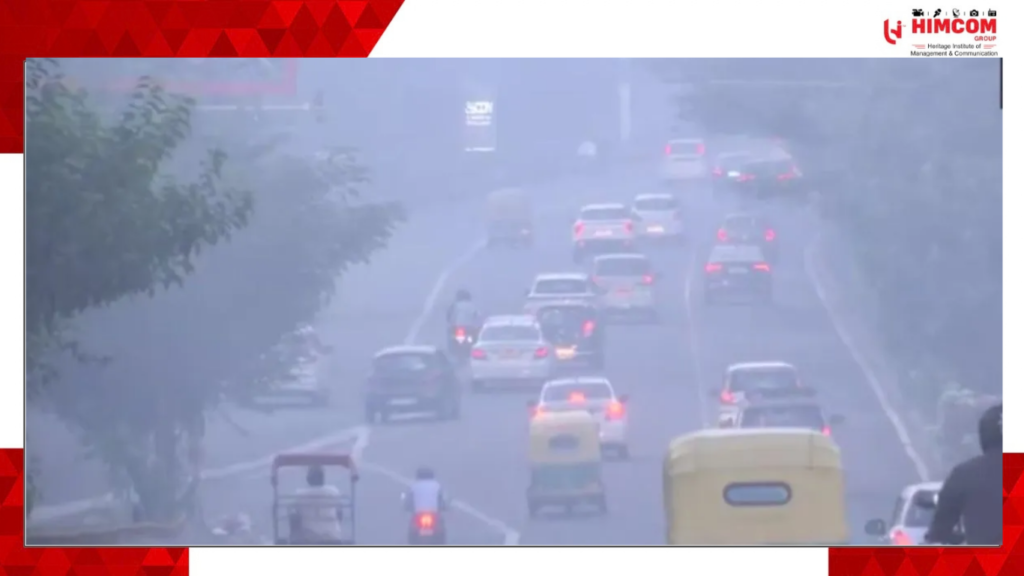
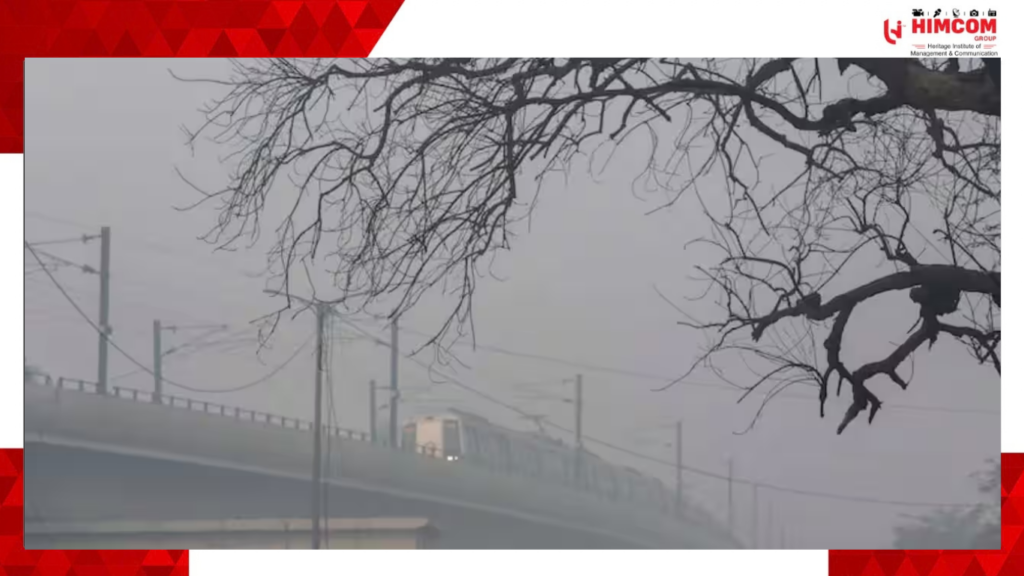
A thick layer of smog has once again covered the national capital, turning the city’s fresh morning air into a serious public health concern.
Delhi’s Air Quality Index (AQI) is increasing rapidly. DELHI AQI
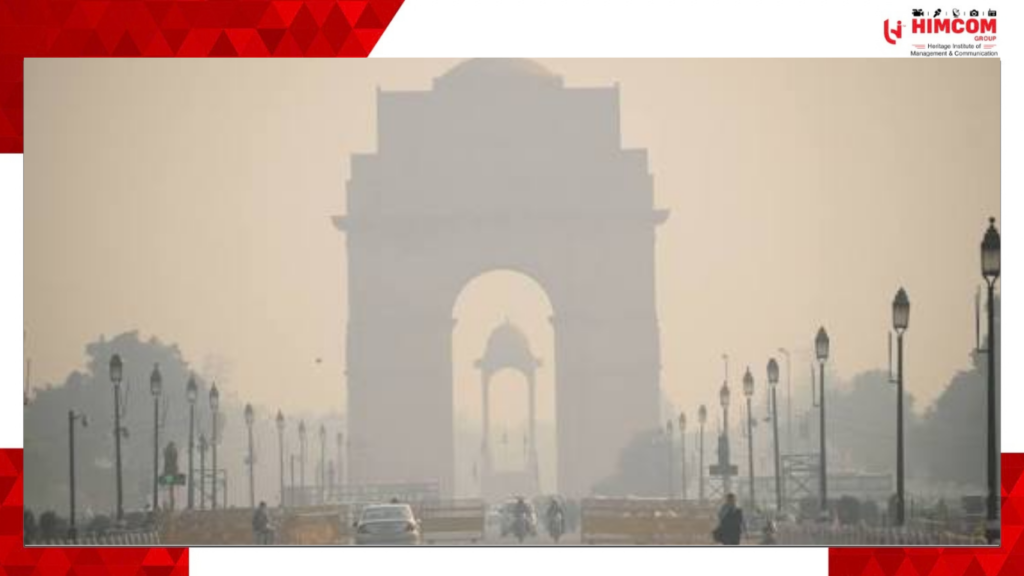
As November begins, Delhi is witnessing a sharp deterioration in air quality, reminding everyone that air pollution remains one of the biggest challenges facing urban India.
On November 2, 2026, Delhi’s Air Quality Index (AQI) crossed the 300 mark, entering the ‘Very Poor’ category.
According to monitoring data, several areas of the capital recorded alarming pollution levels.
Dwarka Sector 8, for instance, recorded an AQI of 357, while areas such as ITO, India Gate and RK Puram also experienced heavily polluted air.
The situation in neighbouring Noida and other NCR regions has also raised concerns.
Why Does Delhi Become a Gas Chamber Every Winter?
Air pollution in Delhi is not a problem that develops overnight. It is the result of several factors that come together, particularly during the winter months.
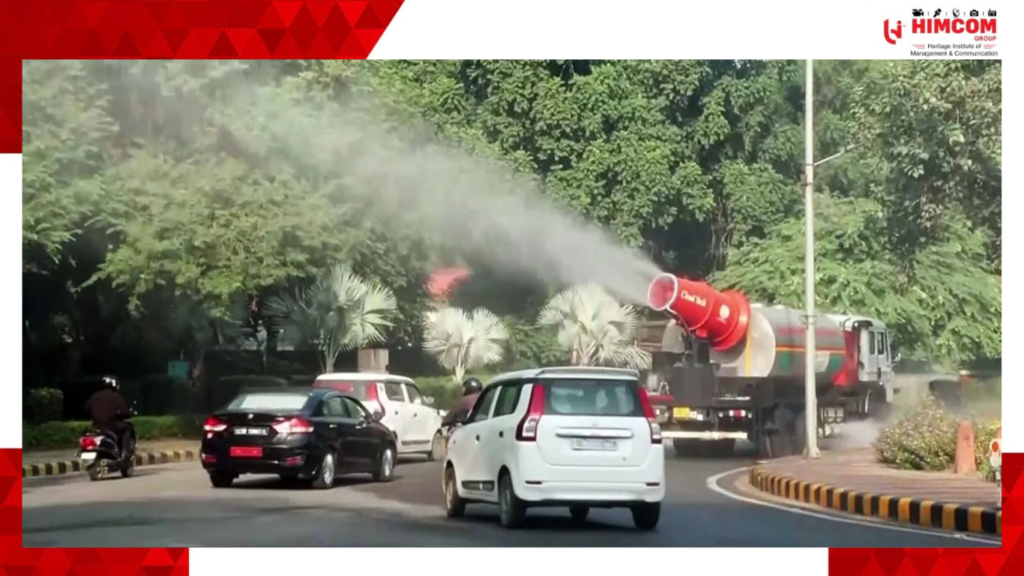
Vehicle emissions, industrial activities, construction dust, road dust, and the burning of agricultural residue in neighbouring states contribute significantly to the problem.
During winter, lower temperatures and unfavourable wind conditions make it difficult for pollutants to disperse.
As a result, harmful particles remain trapped close to the ground, creating a thick layer of smog.
The increasing number of private vehicles and rapid urbanisation have further complicated the situation. https://aqicn.org/city/delhi/
What makes the problem more concerning?
Government Introduces Strict Measures to Control Pollution
The pollution does not remain limited to Delhi; it affects the entire National Capital Region.
Considering the deteriorating situation, the Delhi government has introduced several measures under its Winter Action Plan 2026-27.
Delhi’s Air Quality Index
From November 1, restrictions on certain non-BS-VI vehicles registered outside Delhi have come into effect.
The government has also strengthened the ‘No PUC, No Fuel’ policy to ensure that vehicles maintain valid Pollution Under Control certificates.
Additionally, restrictions have been imposed on dust-generating construction and demolition activities.
Government and private offices have also been directed to adopt work-from-home arrangements for a portion of their employees to reduce traffic congestion and vehicular emissions.
Authorities have increased vehicle inspections and enforcement activities.
On the first day of implementation, nearly 15,000 vehicles were checked, 1,539 were turned back at border points, and penalties and environmental compensation worth approximately ₹68.4 lakh were imposed.
However, the biggest question remains:
Will these measures bring lasting improvement, or will Delhi continue to face the same crisis every winter?
Health Is Paying the Price
Air pollution is not merely an environmental issue; it is also a serious public health challenge.
Children, elderly people, and individuals with respiratory conditions are particularly vulnerable.
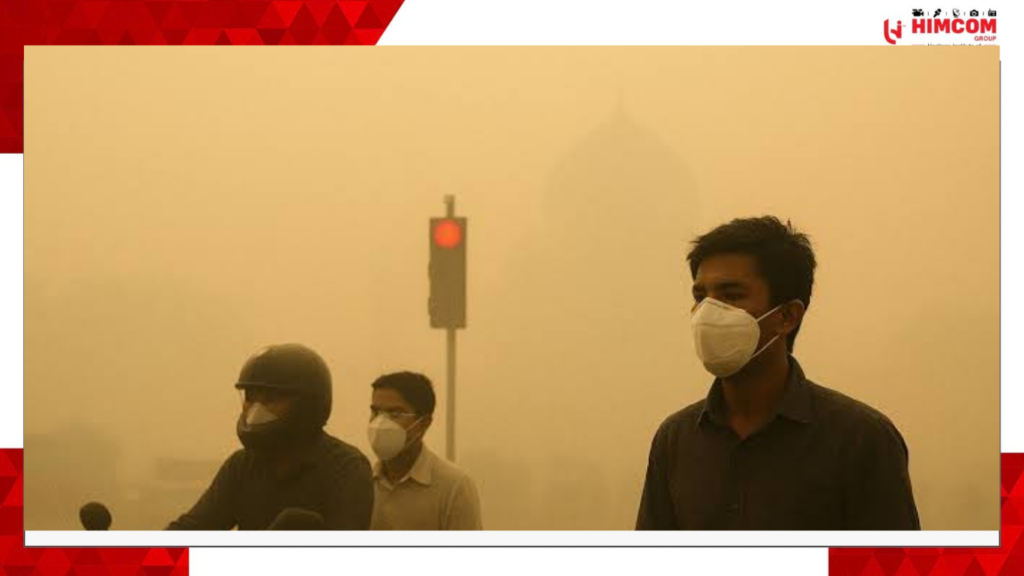
Prolonged exposure to polluted air can cause breathing difficulties, coughing, throat irritation, and other respiratory complications.
Even healthy individuals may experience discomfort when pollution levels remain high.
For children, outdoor activities and morning sports become difficult.
People who work outdoors, including traffic police personnel, delivery workers, street vendors, and construction labourers, face continuous exposure to polluted air.
The situation raises an important concern: Should access to clean air become a luxury that people have to struggle for?
Is the Government Alone Responsible?
While government intervention is necessary, tackling air pollution cannot be the responsibility of authorities alone.
Citizens must also recognise their role in protecting the environment.
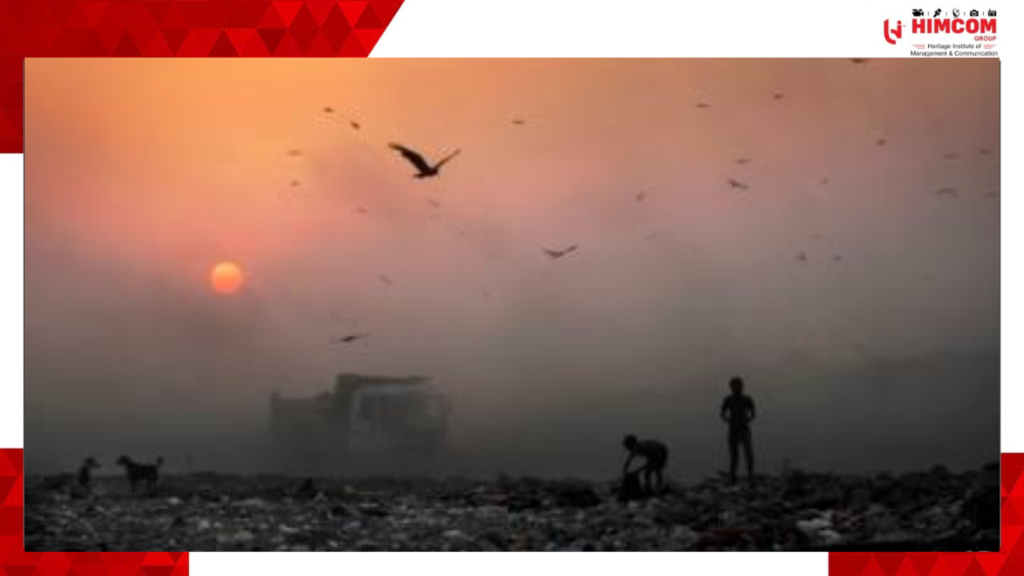
Using public transport, choosing carpooling, avoiding unnecessary vehicle usage, maintaining vehicles properly, and preventing waste burning are some practical steps that can make a difference.
People should also avoid contributing to dust pollution and support environmentally responsible practices.
Schools, colleges, residential societies, and corporate organisations can organise awareness campaigns to encourage sustainable habits.
Media organisations also have an important responsibility.
Instead of discussing pollution only when AQI levels become alarming, news platforms must continuously highlight environmental concerns, question authorities, and bring citizens’ experiences to the forefront.
Beyond Headlines: Delhi Needs a Permanent Solution
Every year, as winter approaches, pollution becomes a major headline.
Emergency restrictions are announced, political debates begin, and citizens are advised to remain indoors.
But once the season changes, the issue gradually disappears from public discussions.
This cycle needs to end.
Delhi requires a long-term and coordinated strategy involving neighbouring states, stronger public transportation, cleaner energy, better waste management, sustainable urban planning, and strict monitoring of industrial emissions.
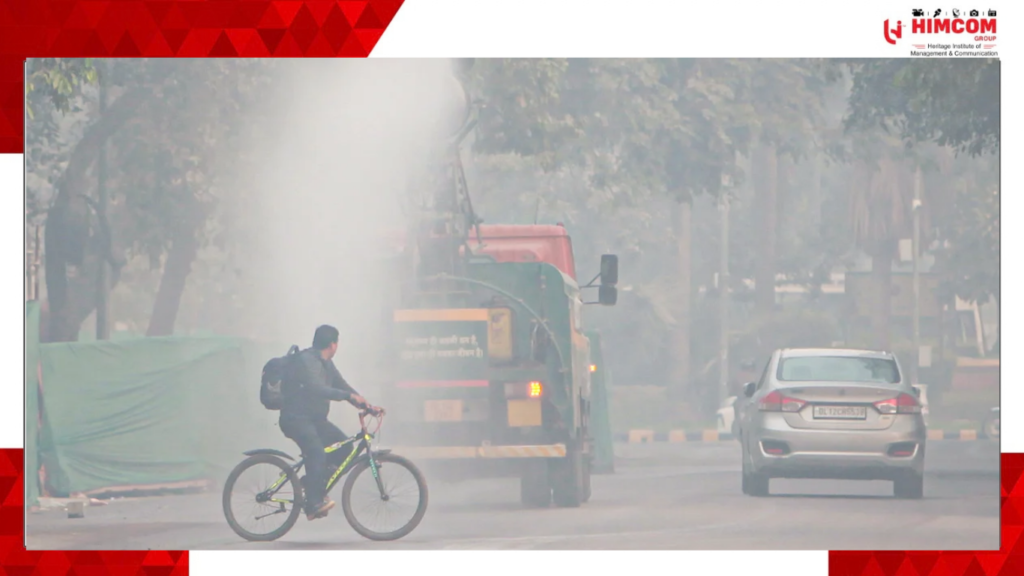
Most importantly, environmental policies must be implemented consistently rather than being treated as temporary seasonal arrangements.
Clean Air Is a Right, Not a Privilege
Delhi’s rising pollution levels are a reminder that development cannot be measured only through highways, skyscrapers, metro networks, and modern infrastructure.
True development also means ensuring that people can breathe safely, live healthily, and enjoy a clean environment.
The responsibility lies with governments, industries, institutions, and citizens alike.
As the national capital once again struggles under a blanket of smog, one question deserves everyone’s attention:
If the air we breathe is becoming dangerous, then what is the real cost of urban development?
Clean air is not a luxury.
It is a basic necessity, and ensuring it should be one of the highest priorities of every government and every citizen.




Leave a Reply
You must be logged in to post a comment.