


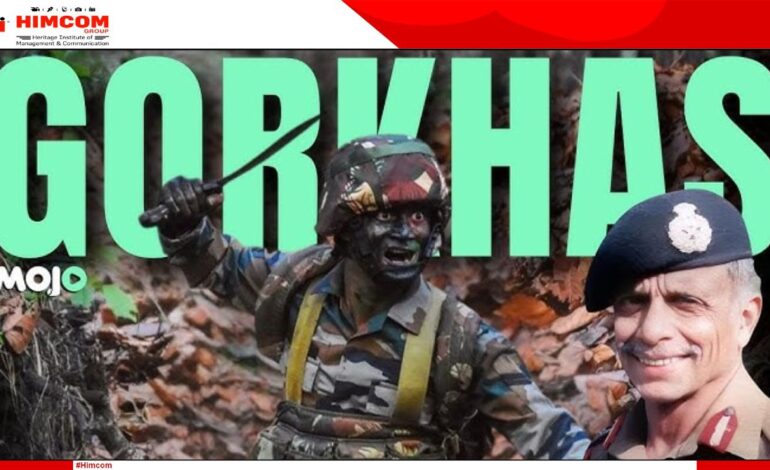

The Indian Gorkhas are a unique and vibrant community in India. They speak Nepali and belong to a diverse set of ethnic groups — from Bahun and Chhetri to Gurung, Rai, Magar, Tamang, and many more.
They are widely spread across India. Many live in states like Sikkim, West Bengal (especially in Darjeeling and Kalimpong), Assam, Uttarakhand, and other northeastern states. Despite being Nepali-speaking, these are Indian citizens — with rights and identity protected under Indian laws.
A Long History in India
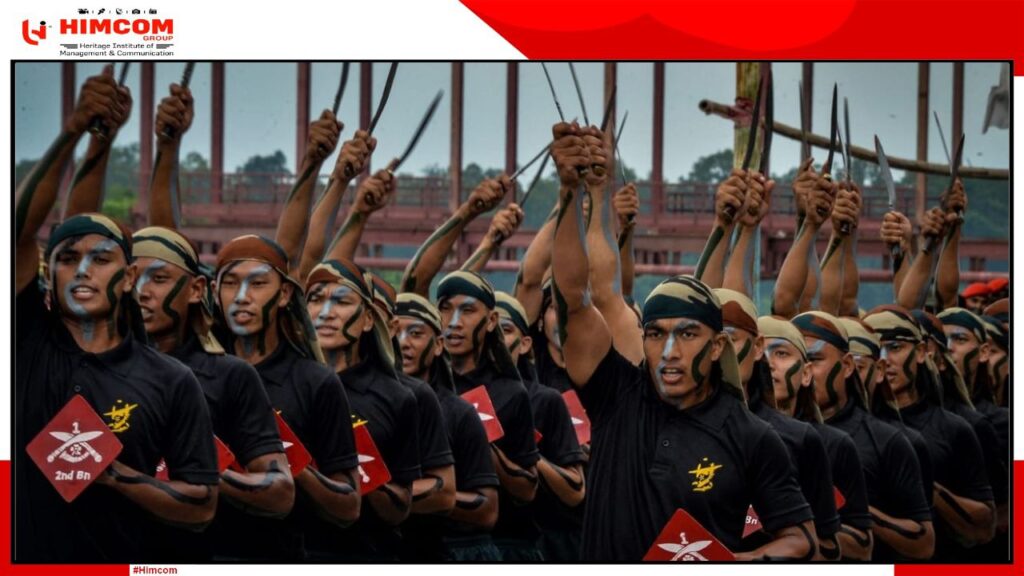
The roots of Indian Gorkhas in India go deep — many families have been here for centuries. Over time, they settled as farmers, traders, laborers and soldiers in various hilly regions and plains across India.Some joined the armies of colonial rulers. Later, after independence, their association with the army continued with the transfer of Gorkha regiments to the Indian Army.
Identity, Citizenship and Belonging
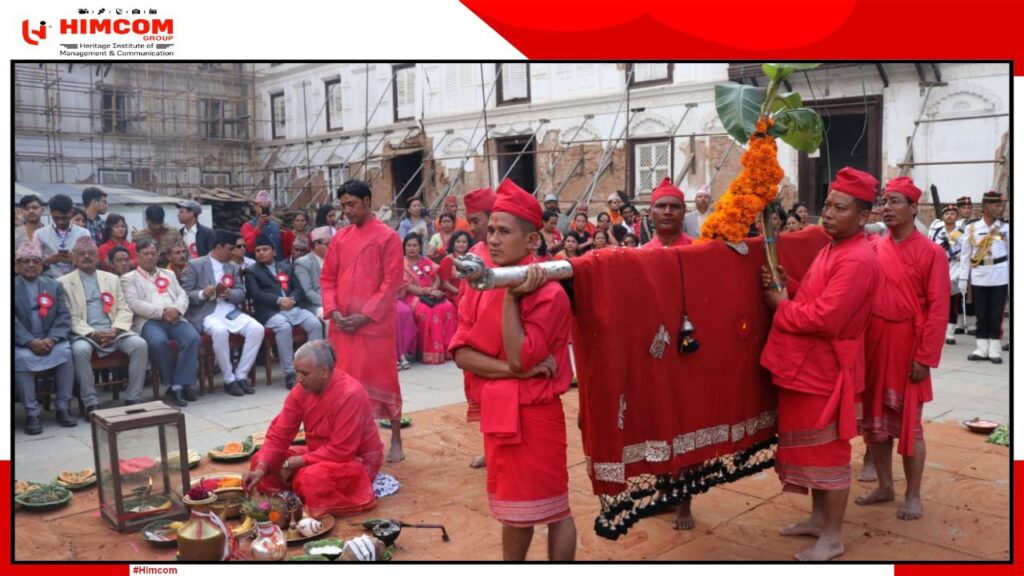
Indian Gorkhas speak Nepali — a language now recognized under the Eighth Schedule of the Indian Constitution. This recognition helps preserve a core part of their cultural identity.
The idea of being a Gorkha in India sometimes brings confusion. Because of historic linkages with Nepal and treaties like the 1950 Treaty of Peace and Friendship, many outsiders wrongly assume that Gorkhas are outsiders. But legally and socially, Indian Gorkhas are full citizens of India.
They represent a bilingual, bicultural identity — rooted in Nepali heritage, but embedded in Indian society.
Cultural Diversity and Unity
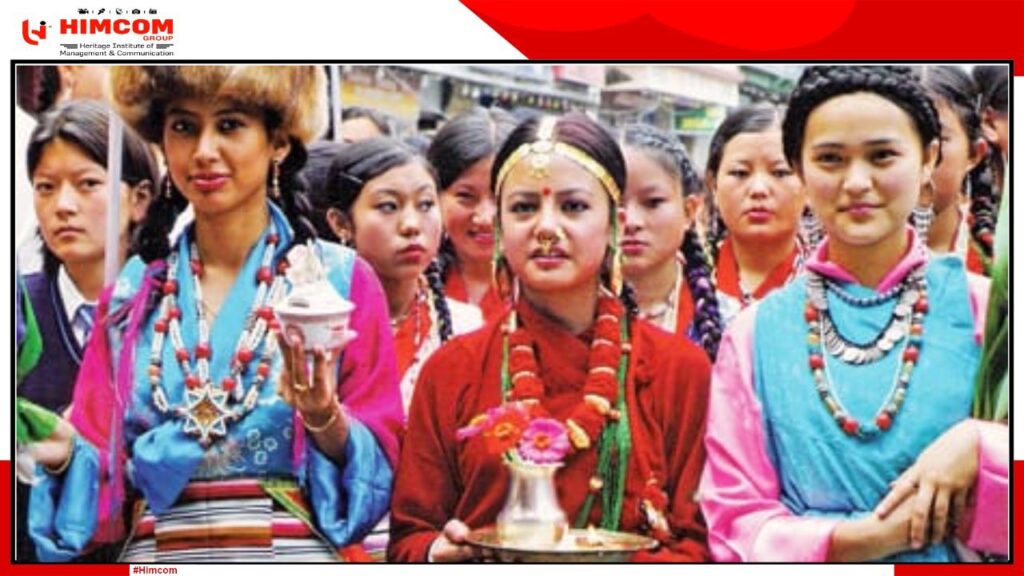
Within the broad label “Gorkha,” there is enormous internal variety: from hill-Brahmins and Khas Chettris to tribal ethnicities like Gurung, Magar, Rai, Limbu, Sherpa and more. This diversity is a strength. It brings rich traditions, varied dialects, music, cuisine, and shared memories of migration and settlement.
Together, these diverse groups form a shared cultural fabric, anchored in Nepali language and shared values — but adaptable across regions of India.
Why Their Story Matters
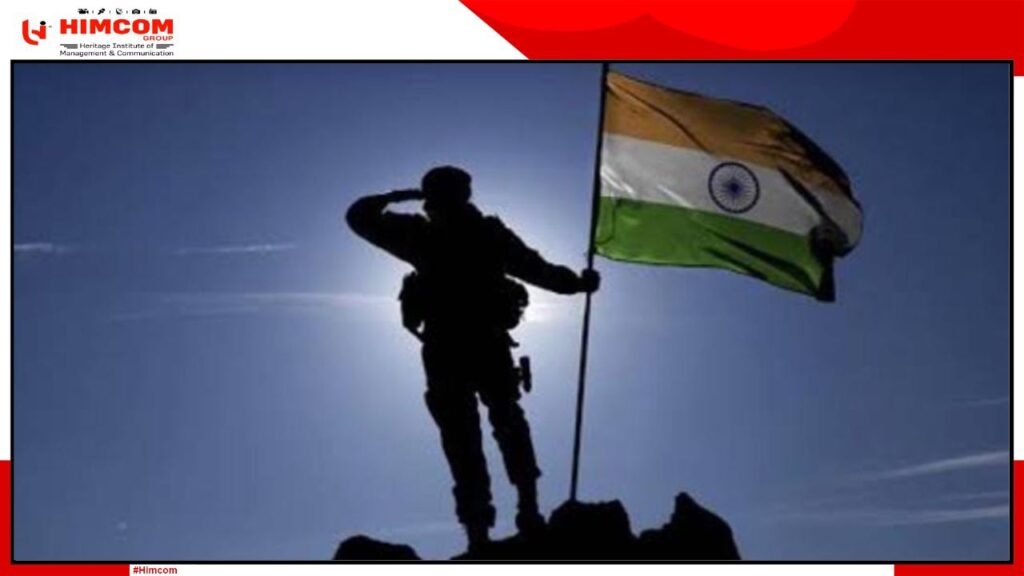
The story of Indian Gorkhas challenges narrow ideas about identity. It shows how culture, language, and belonging can cross borders — yet find rootedness in a larger homeland.
Their history of migration, settlement, service, and struggle for recognition also highlights the need to acknowledge and respect India’s plural identities.
Indian Gorkhas add to the mosaic of India, reminding us that being Indian doesn’t mean being uniform. Instead, it’s about embracing diversity
Ashna
Bjmc 3





Leave a Reply
You must be logged in to post a comment.