

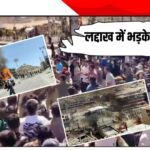
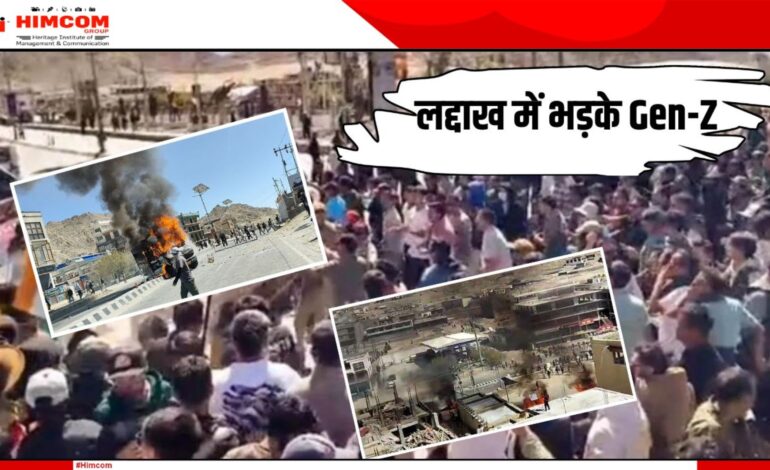

Leh, Ladakh – what began as a hunger strike demanding statehood and constitutional safeguards has turned into one of the most violent episodes in the region in recent years.
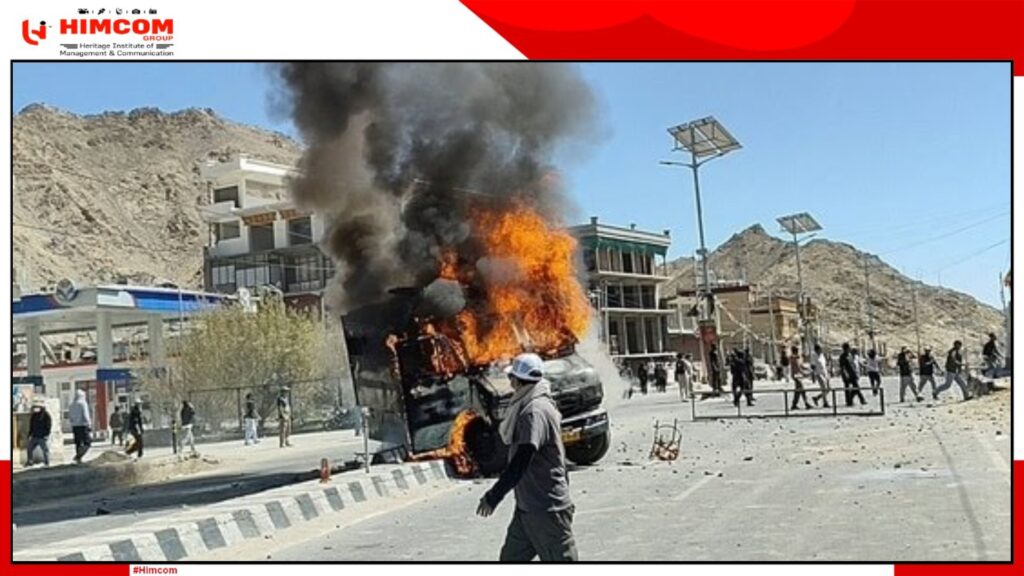
On September 24, 2025, protests in Leh turned deadly, with four people killed, dozens injured, and serious political fallout for both local leadership and the central government.
In 2019, the Indian government revoked the special status of Jammu & Kashmir under Article 370 and bifurcated it, turning Ladakh into a separate Union Territory directly governed from New Delhi.
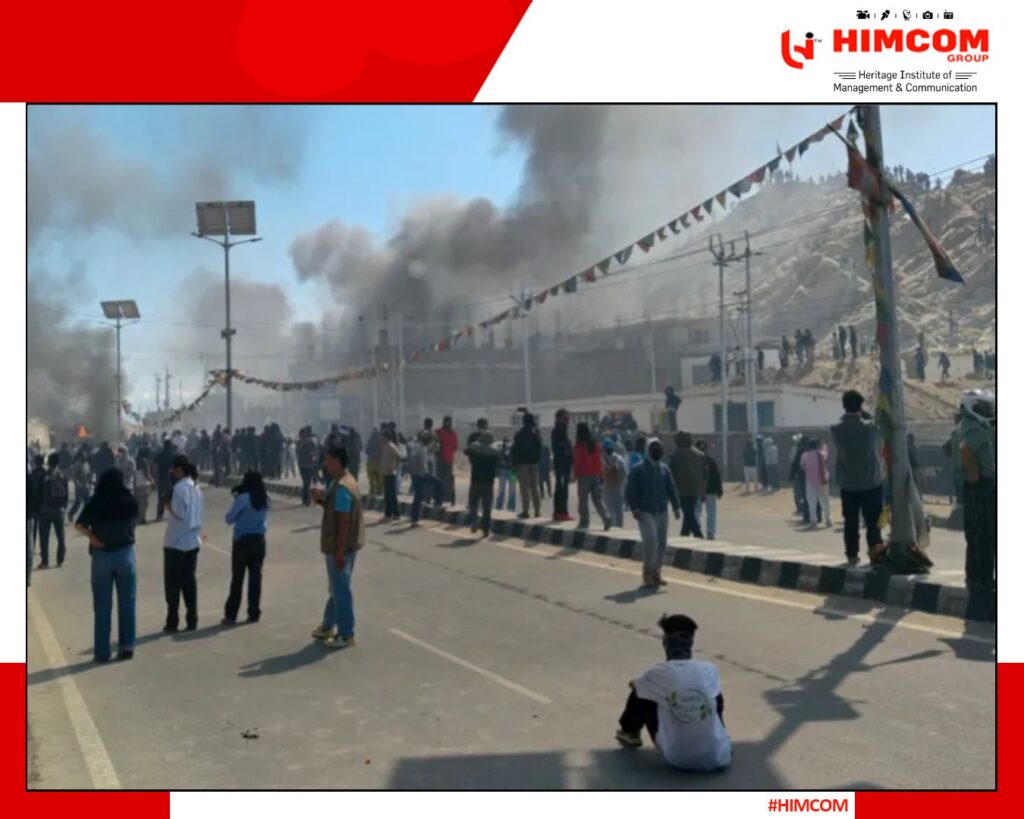
While many in the region initially accepted the change, grievances have gradually built up over issues of political representation, land rights, environmental protection, and local governance.
Demands for Statehood and Constitutional Safeguards began –
Activist groups — notably the Leh Apex Body (LAB) and the Kargil Democratic Alliance (KDA) — have been demanding that Ladakh must be granted statehood and be included under the Sixth Schedule of the Constitution,
Which provides protections to tribal areas, including autonomy for local councils and protection of land rights.
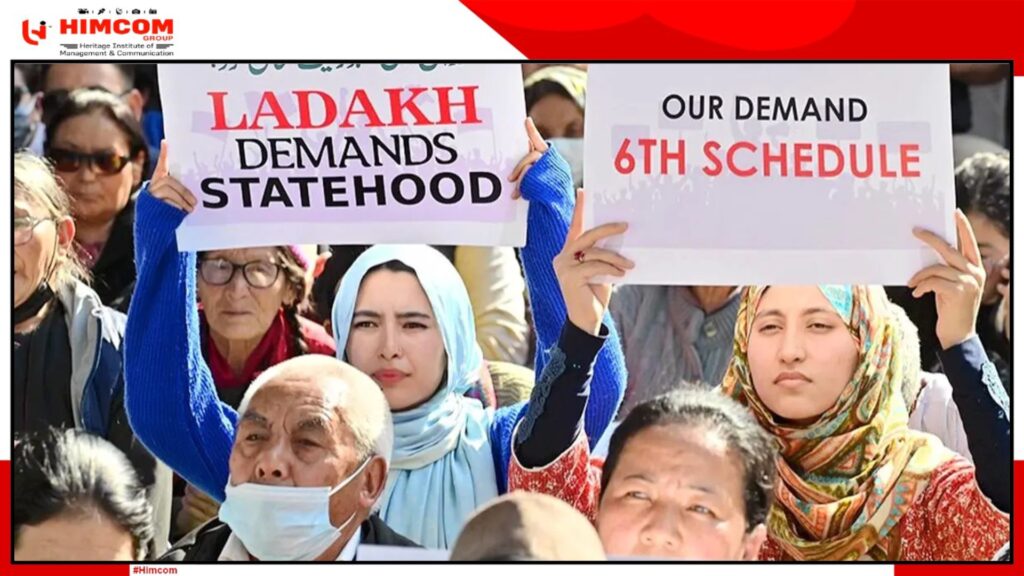
In early September 2025, prominent activist Sonam Wangchuk, among others, launched a long hunger strike to press the demands. On the 15th day of the strike, two elderly hunger strikers were hospitalised,
Which heightened tensions among the protesters. The youth wing of Leh Apex Body called for a shutdown (bandh) and further protests.
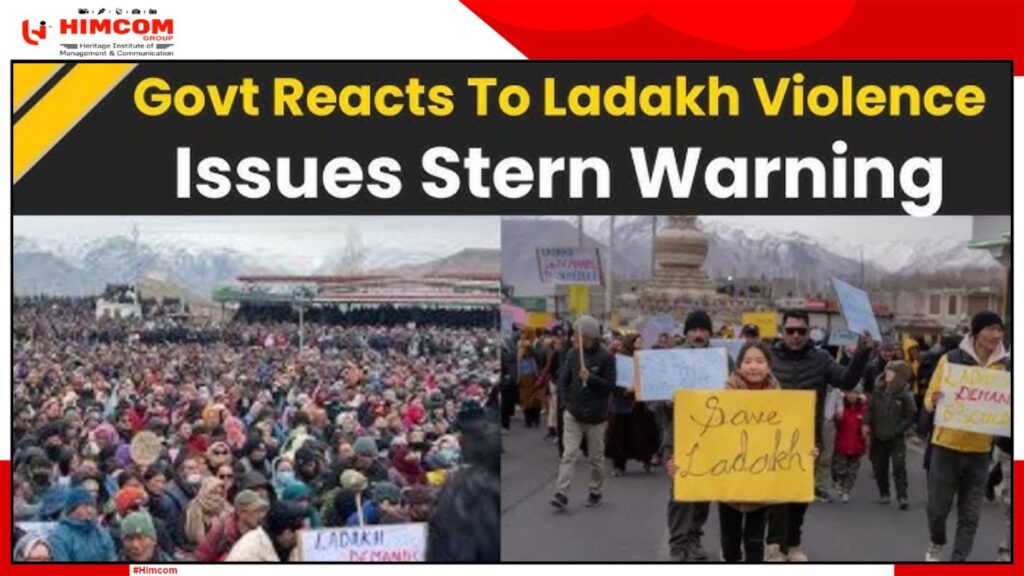
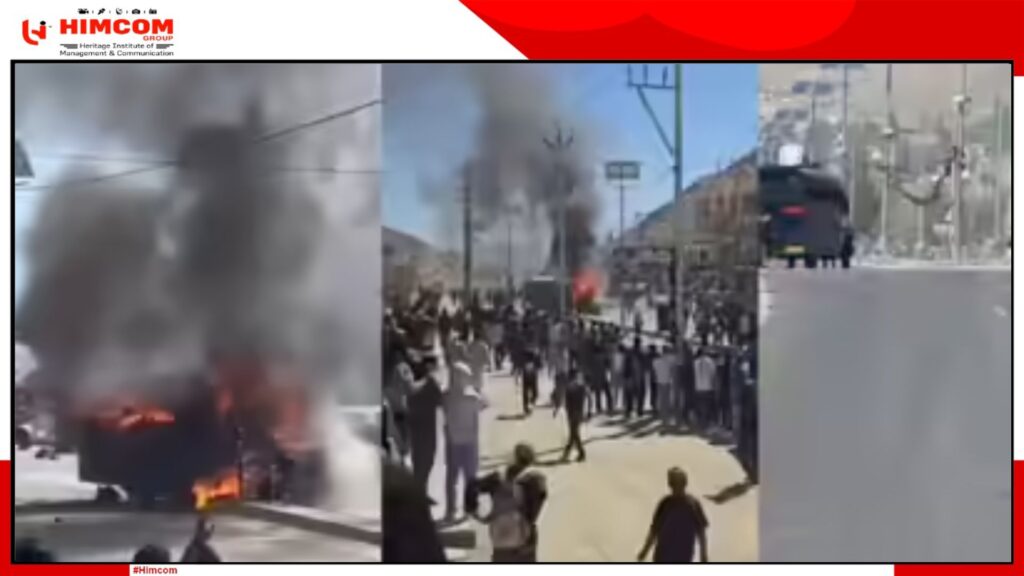
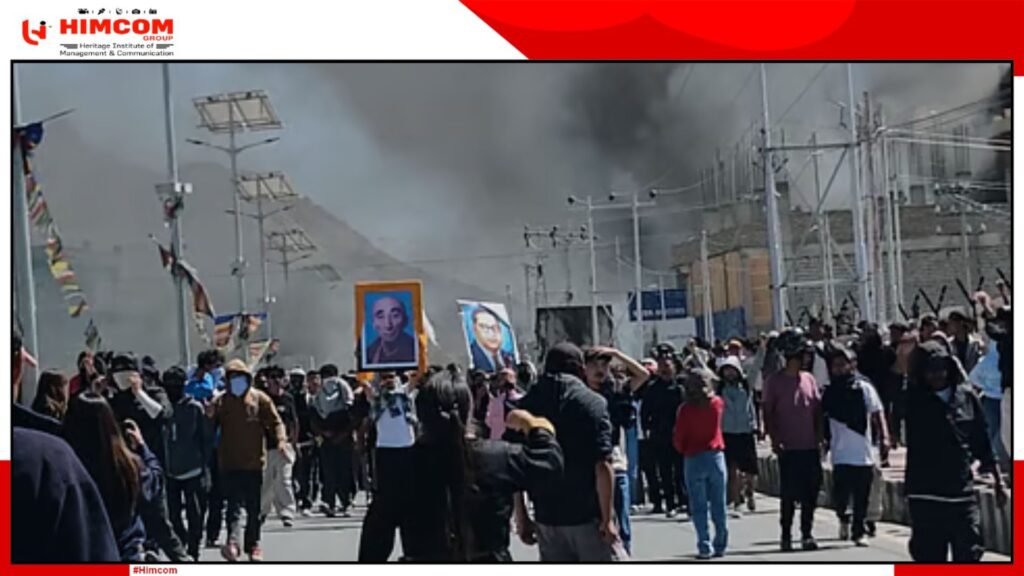
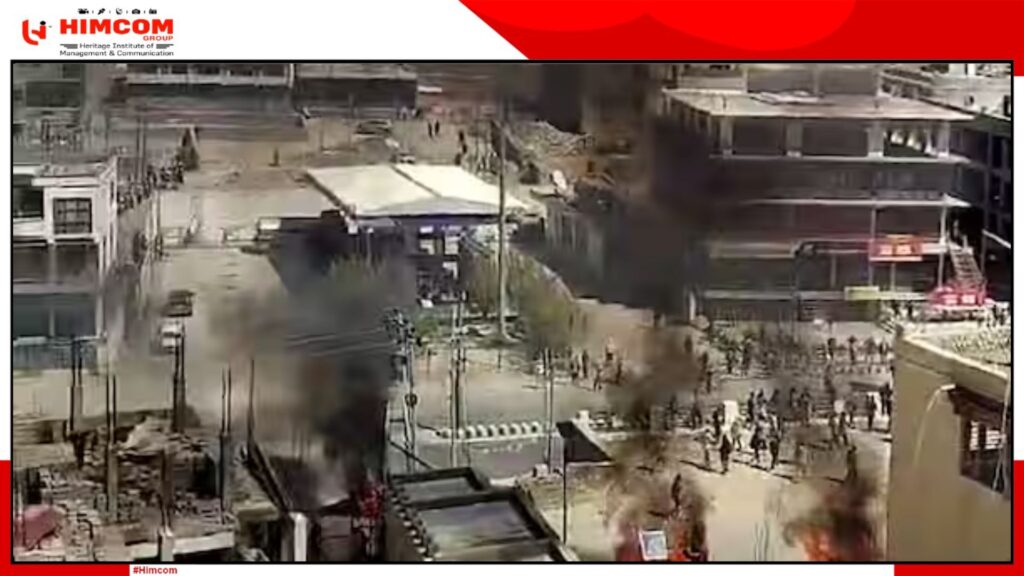
The protest began as a shutdown in Leh, with crowds gathering at the NDS Memorial Ground and later marching. Clashes soon erupted: protesters pelted stones, torched a local BJP office and a police vehicle.
The police responded with teargas, baton charges, and firing.Four people lost their lives, more than 70 were injured (including both civilians and security personnel).
The exact numbers vary across reports. Many of the injured were in critical condition.
Government Response –
A curfew was imposed in Leh, prohibitory orders were put in place (including banning gatherings of five or more people), and internet services in some areas were restricted to prevent further mobilisation.
As a response, Sonam Wangchuk ended his hunger strike and appealed for calm, urging youth to refrain from violence.
Impact and Reactions –
The violence has deepened mistrust between local protestors and the government. Many in Ladakh feel that peaceful methods have failed to draw sufficient attention to their long-standing demands.
Tanishi Srivastava
BJMC 1


Leave a Reply
You must be logged in to post a comment.